Cost Accounting
Cost accounting is a system of collecting, recording, and analyzing financial data to help managers make a decision about resource allocation.
-
What is a sunk cost and its impact on decision making
A sunk cost is that which has been incurred or committed in the past and is, therefore, irrelevant to the decision-making purpose because the decision-maker no
-

What are Direct Expenses in Costing? – Meaning and Examples
A direct expense is an expenditure that can be easily traced back to a specific cost centre within a company. Direct expenses are also known as chargeable expen
-
Job Order Costing versus Process Costing
Job order costing is a form of accounting that attributes individual costs directly to a completed job or service rather than to the manufacturing department. I
-
Difference between Spoilage and Defectives in Cost Accounting
In cost accounting, spoilage and defectives refer to different types of quality issues that arise during the production process. While both terms indicate a dev
-
Differences between imputed costs and capitalised costs
Among the many categories of costs, imputed costs and capitalized costs are the most confusing. Both play a critical role in assessing and managing expenses, bu
-
What is Performance Budgeting?
The process of performance budgeting entails evaluating an organization’s performance within the context of the organization’s particular objectives
-
What is a Cost Centre in Costing? Purpose and Benefits
Cost centres refer to specific divisions and departments, that are responsible for managing their own expenses and can have costs assigned to them. In cost acco
-
What is the Budget Period in Accounting?
A budget is a quantitative future plan that helps an organisation coordinate its actions. Large organisations all have a budget. Numerous companies produce deta
-
What is a Cost Audit? – Meaning and Definition
A cost audit is designed to uncover and correct or prevent errors in the accounting of materials and services to customers. It is an ongoing process of checking
-
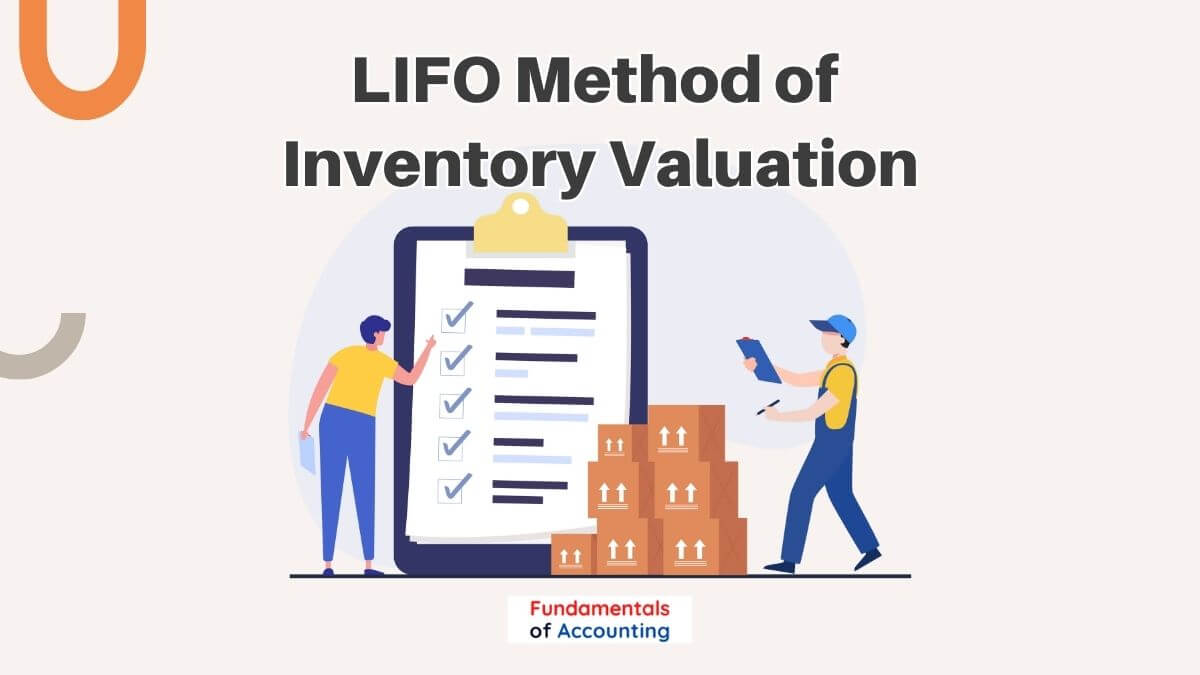
A Short Note on the LIFO Method of Inventory Valuation
The LIFO method, or last-in, first-out, is one of the most popular and widely used inventory valuation methods in cost accounting. Under this approach, the cost